


Reading
Reading Curriculum Overview
Our Oaks Park bespoke Reading curriculum was developed to address an identified decline in basic reading and comprehension skills resulting from the disruption of the Covid-19 pandemic. A key focus of the curriculum is to successfully bridge the literacy gap between primary and secondary education, providing a rigorous and sequential approach to improve reading fluency, confidence, and enjoyment.
The KS3 Literacy Hour A central pillar of the reading strategy for Years 7 and 8 is the addition of a dedicated "Literacy Hour" to the weekly timetable. This hour is led by the Reading Lead Practitioner and delivered by English teachers and a Literacy Facilitator. The Literacy Hour features a triangulated weekly format consisting of:
- SPAG and Recall: Regular spelling, punctuation, and grammar tasks, with phonics teaching integrated where appropriate.
- Online Reading Programmes: Dedicated time for students to use Lexia Power Up, an online literacy software used to build skills and track progress.
- Whole Class Readers: Students read three different class texts over the academic year (one per term) to explore a variety of themes and genres. Texts such as 'How to Fly with Broken Wings' have been well-received by students.
Beyond dedicated English and Literacy lessons, reading is woven into the fabric of the school day. Ofsted noted that pupils "enjoy regular visits to the school library" and benefit from an "appealing weekly registration session dedicated to reading". To ensure a consistent whole-school approach, the curriculum also utilises a phonics code to develop language comprehension, with secondary English teachers receiving specific training in primary teaching techniques.
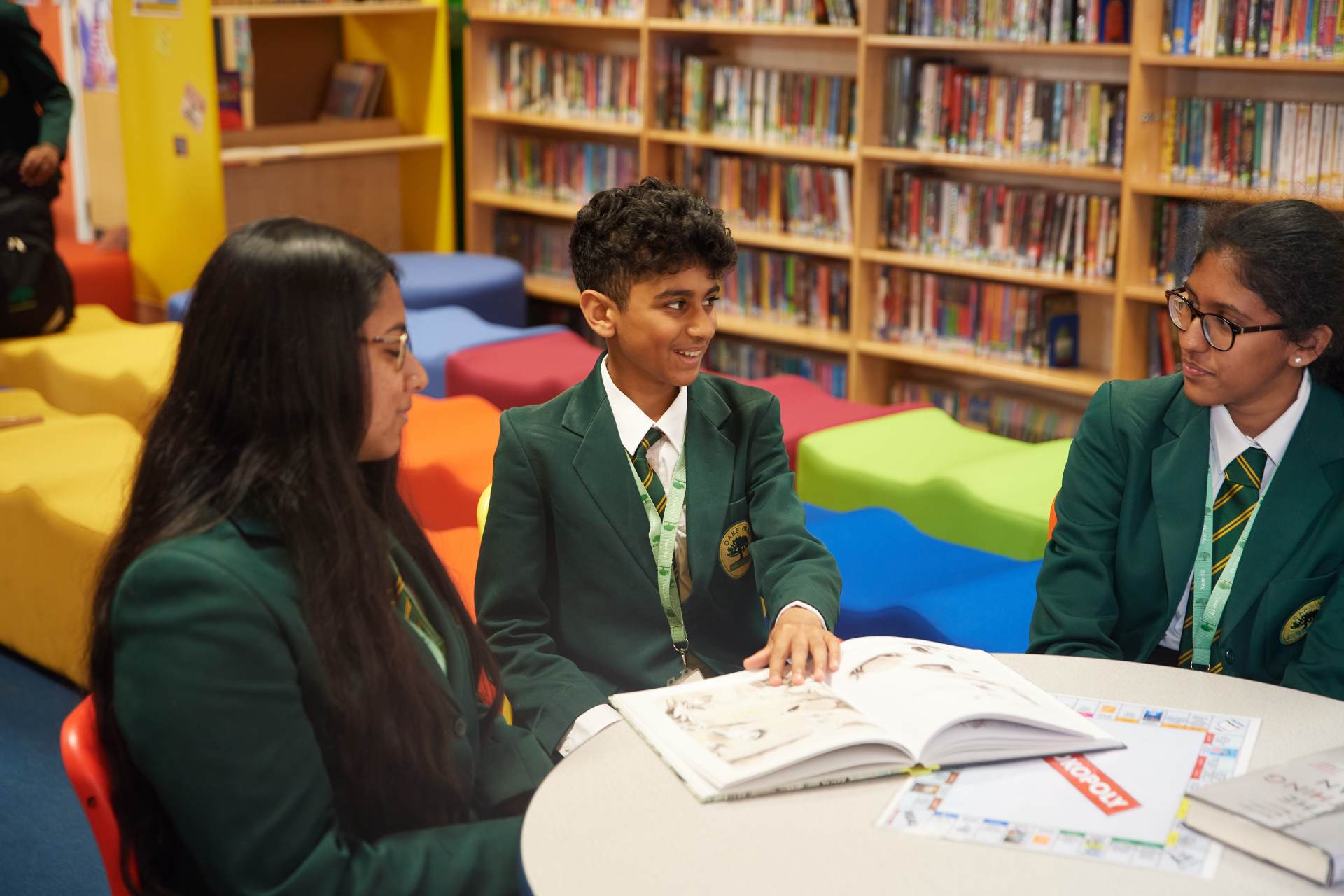
Reading age assessments are conducted termly for all students, including those in the Sixth Form. As highlighted in our recent Ofsted report, staff assess reading attainment on entry to the school and regularly thereafter, allowing them to "identify those who need extra help quickly and provide targeted support". This reading age is shared with the students and parent/carers in their termly reports, and this data is also accessible to all subject teachers.
To facilitate these interventions, the school provides extensive, targeted support managed by a dedicated Literacy Facilitator and Lead Practitioner:
- In-Class Support: The Literacy Facilitator provides targeted support during regular Year 7 and Year 8 English lessons to assist students with spelling, handwriting, and grammar.
- Small Group Interventions: Students requiring extra help, such as Low Prior Attainers (LPA), are withdrawn in small groups (4 to 6 students) for "back to basics" support with spelling, punctuation, and grammar.
- Before-School Reading Support: Additional small-group reading sessions are hosted before school.
The overall impact of the reading curriculum is continuously monitored through teacher feedback, student voice, learning walks, and half-termly data reports generated by the Lexia programme.